Bringing Life Home: Practical, Beautiful Garden and Interior Ideas for a Calm, Connected Space
Create a balanced home garden and interior that harmonizes decor, gardening, and practical home improvement for a serene living space.
Opening foundations: blending garden and interior in daily life
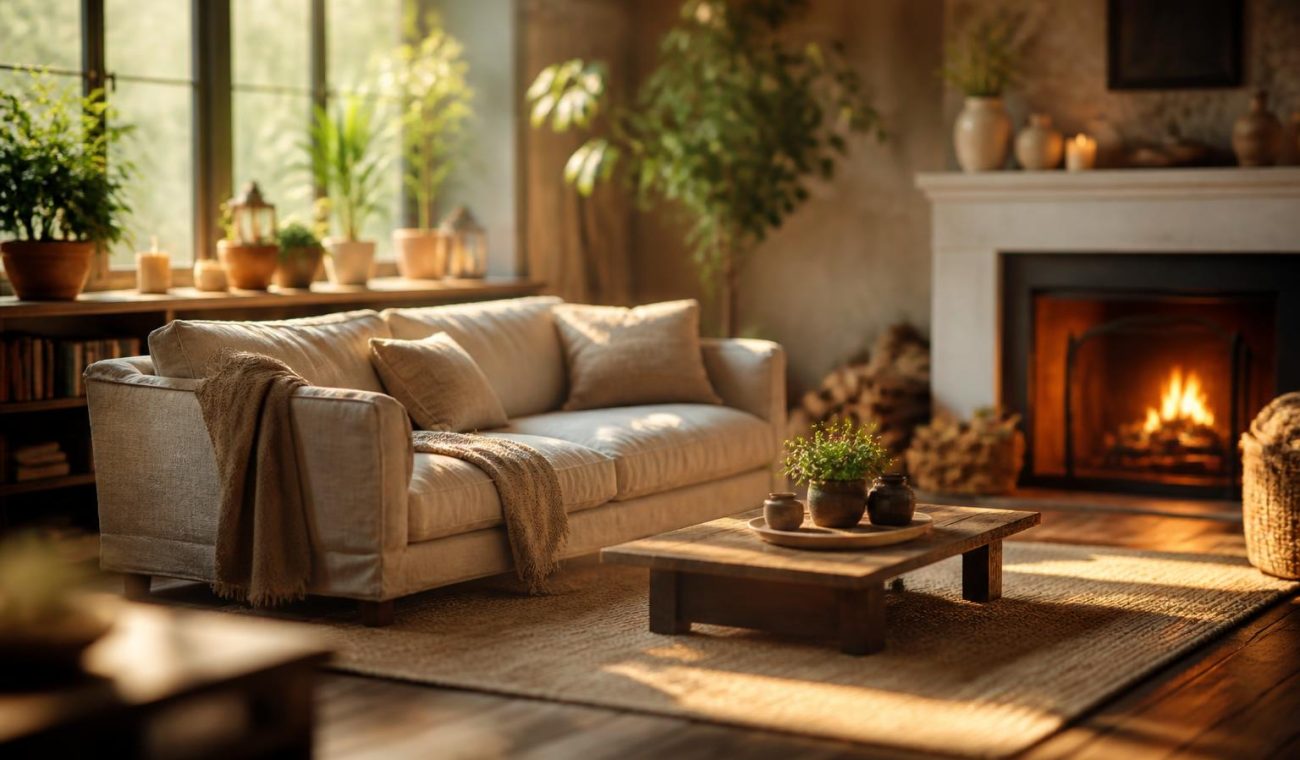
In every home, the rhythm between inside and outside informs mood, flow, and function. Thoughtful home improvement starts with small, purposeful choices that connect a living space to its surrounding garden, whether through natural light, plant textures, or outdoor seating that becomes a year‑round room. For new gardeners and seasoned spaces: begin by layering color, scent, and form so each room breathes with nature and daily usefulness. Pond Plants provide a gentle entry to water-loving greens that invite calm and contemplation.
Consider the daily rituals you perform: coffee at the kitchen window, a midday plant check, evening lighting that softens the room. These routines shape interior decisions as much as exterior ones. Prioritize durable, easy‑care plants and weather-friendly furnishings that tolerate changes in sun, wind, and moisture, while still supporting a cohesive decor story across indoors and outdoors. A thoughtful approach to gardening elevates home improvement from maintenance to meaningful, expressive living.
Section two: designing a garden that complements interior decor
Begin by selecting a color palette that translates from room to yard, using plant foliage, pots, and textiles to echo wall hues and furniture finishes. When choosing plants, group species by light needs and seasonal interest, ensuring year‑round texture and structure. This strategy reduces clutter and creates a curated landscape that mirrors the calm, orderly feel you cultivate inside, reinforcing a cohesive decor narrative that visitors notice at a glance.
Incorporate practical features like a compact seating area, a herb station near the kitchen, or a shaded reading nook under a small tree. These elements support daily life and encourage time spent outdoors, which in turn fosters healthier routines and a stronger connection to your space. A well‑planned layout also simplifies maintenance, making garden care feel like a natural extension of interior organization and home improvement goals.
Section three: cultivating edibles and pollinators for a livable landscape
Edible plantings can anchor both kitchen performance and visual calm, turning weekly shopping into a series of tiny, rewarding harvests. Choose compact varieties for small plots or containers, and pair herbs with vegetables to maximize space while enhancing scent and flavor cues that cue interior cooking and decor choices. The result is a kitchen garden that feels deliberate rather than incidental, aligning garden practice with interior lifestyle aspirations.
Beyond edibles, include nectar-rich flowers and sturdy perennials to support pollinators through shifting seasons. This biodiversity enriches the garden’s texture and preserves a healthy ecosystem, aligning with responsible home improvement principles that value longevity and low maintenance. A thoughtfully planted space becomes a living backdrop to daily life, echoing the care you invest in interior furnishings and decor details.
Section four: water features and micro‑climates for sensory depth
Water features offer a striking sensory layer without overwhelming a small plot. A compact fountain or shallow pond can become the garden’s focal point, reflecting light and providing a soothing soundtrack to evenings at home. When selecting a feature, consider scale, maintenance, and the nearby indoor seating that will benefit from its atmosphere, ensuring it complements rather than competes with interior design choices.
Micro‑climates created by water, shade, and wind patterns influence which plants thrive and how you experience the space. Use windbreaks, containers, and edging to define zones and protect delicate specimens. A well‑placed feature supports both gardening success and a comfortable interior ambience, reinforcing a calm, cohesive home environment that pairs practical improvements with beauty.
Section five: lighting and ambiance that blur indoors and outdoors
Lighting dramatically transforms how a space feels after dusk, shaping both interior design and garden usability. Layered lighting—path lights, uplights for trees, and warm interior lamps—creates transition zones that invite movement between rooms and garden patios. Thoughtful fixtures should be weather-resistant and energy-efficient, reflecting practical home improvement choices that support long‑term use and comfort.
In practice, install dimmable options that let you shift moods with ease, from bright task illumination to soft evening glow. Use warm whites that flatter skin tones and natural materials that echo wood and stone inside. When lighting travels with decor, the space read like a single, curated composition, reinforcing your garden’s role as an extension of the interior aesthetic rather than a separate area.
Section six: sustainable materials and outdoor furnishings
Sustainability begins with durable, low‑maintenance materials that withstand weather while retaining beauty. Choose furniture made from weatherproof wicker, treated wood, or recycled composites, paired with cushions in fade‑resistant fabrics. By investing in quality, you reduce waste and ensure your seating areas remain inviting for years, reinforcing the idea that home improvement also means thoughtful, ongoing care for the environment.
Plan zones that accommodate daily rituals—morning coffee, afternoon reading, evening meals—that align with how you use interior spaces. The furniture layout should encourage flow between indoors and outdoors, supporting entertaining and quiet moments alike. When materials and layout feel cohesive, the garden becomes a natural choreography of living spaces rather than a separate, maintenance‑heavy arena.
Section seven: maintenance mindset and seasonal routines
Develop a simple, repeatable seasonal routine that covers pruning, feeding, mulching, and soil testing so you stay on top of garden health without burnout. Create a basic checklist and calendar that aligns with interior cleaning days and decor refreshes, turning gardening into a predictable habit rather than a sporadic task. Regular attention reinforces the home improvement ethic: proactive care yields lasting beauty and comfort.
Document changes with photos and notes to track what works best for your microclimate, sun exposure, and rainfall. This record helps you fine‑tune plant selections, adjust decor accents, and refresh lighting in a way that keeps your home’s story coherent across seasons. A thoughtful maintenance rhythm supports both interior harmony and outdoor vitality, making the entire property feel intentional and alive.