A Practical Guide to Crafting Year-Round Serenity with a British Pond Garden
Discover how to design a durable pond oasis with British pond plants, water lilies, and marginal pond plants for year-round beauty.
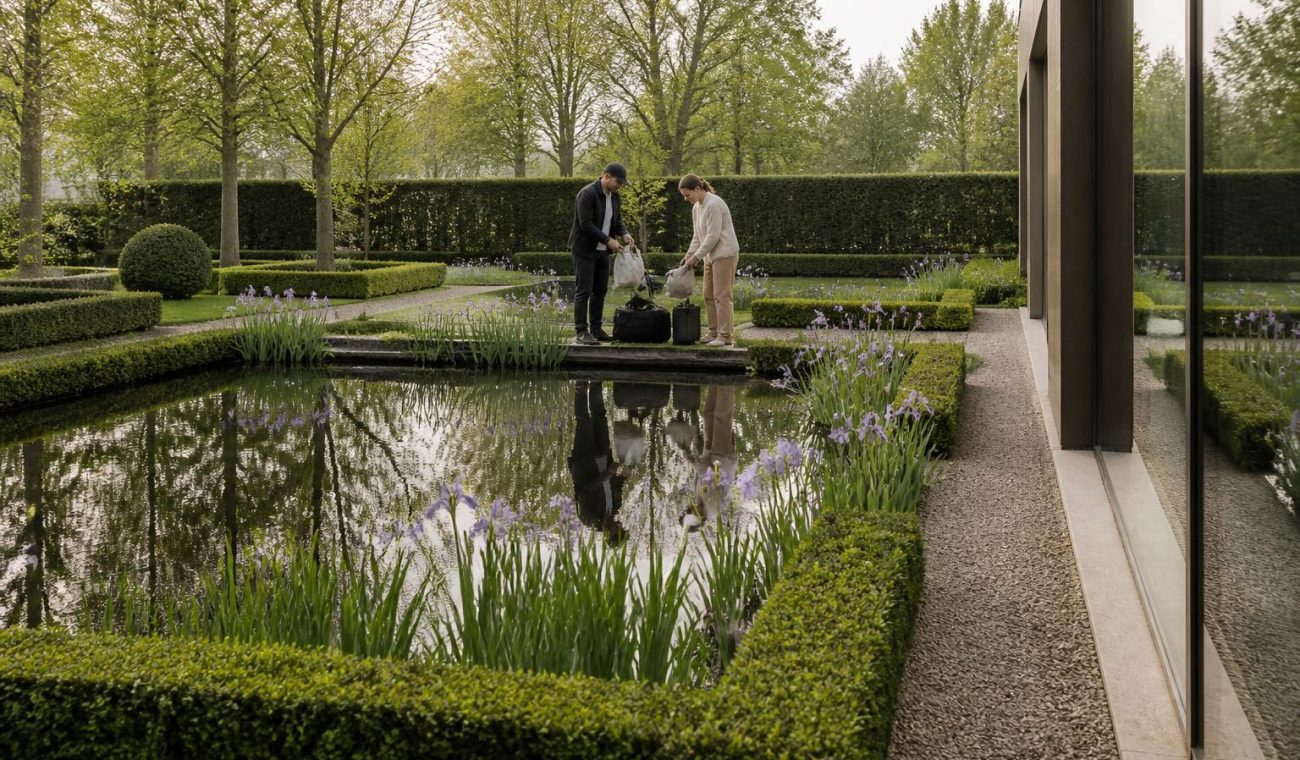
Creating a Self-Sustaining Pond Microcosm
A well-planned pond becomes a quiet sanctuary that thrives through seasonal shifts and varied weather. Start by selecting hardy british pond plants that tolerate local temperatures and strive for a balanced ecosystem with shallow and deep zones. For those beginning on a modest budget, consider layering rocks and shelves to support a diverse range of plants and wildlife, while ensuring pathways stay accessible for routine maintenance and seasonal pruning. Pond Plants—a practical starting point—helps you visualize compatible species and growth rates as you assemble the planting palette.
With a calm water surface and a gentle slope, the pond invites a low-energy maintenance rhythm rather than a constant torrent of cleanup. Water movement should be moderate rather than aggressive, which assists in oxygenation without disrupting delicate marginal pond plants. Plan for a shaded edge with aquatic marginal varieties that tolerate damp soils and fluctuating moisture, then escalate to deeper zones where water lilies can anchor the week-to-week routine of root growth and leaf expansion.
Choosing Water-Loving Plants for Structure and Color
Water lilies bring architectural elegance to any pond, offering bold surface scapes that reflect sunlight and calm the surrounding garden. When selecting a cultivar, consider flower color, leaf size, and fragrant bloom periods to extend visual interest through spring, summer, and into early autumn. Pair water lilies with a suite of robust marginal pond plants that tolerate wet feet, such as iris and pickerel rush, to create layered vertical interest and beneficial shade for the pond’s margins.
Balance is essential to prevent competition for nutrients, so monitor that each plant has access to light and circulatory currents. A structured planting plan helps you avoid crowding, which can lead to damp disease pressure or stunted growth. Regularly remove older leaves to maintain light penetration and prevent leaf litter from decaying in the water column, which can affect clarity and oxygen levels for fish and invertebrates.
Seasonal Rhythms: Spring to Autumn Maintenance
Spring marks the reawakening of aquatic life and a chance to reestablish plant order after winter dormancy. Inspect the bed, prune dead shoots, and refresh mulching around marginal pond plants to conserve moisture. Introduce a few fresh specimens with established root systems to fill gaps, and rotate plant positions to encourage even growth across the bed while preserving the habitat’s overall balance and naturalistic appeal.
As the days lengthen, monitor water quality, adjusting feeding routines for any resident fish and ensuring beneficial bacteria remain active. Late summer is the prime time to divide vigorous clumps of marginal pond plants that may have outgrown their space, rehoming excess growth to other garden corners or containers to maintain a tidy, uncluttered shoreline appearance and steady nutrient uptake by the substrate.
Wildlife-Friendly Design: Encouraging Biodiversity
Design choices that favor wildlife create a more resilient garden system. Place floating vegetation and patches of emergent plants to shelter amphibians, dragonflies, and small aquatic invertebrates. Provide shaded banks with dense marginal pond plants to offer resting spots and oviposition sites for amphibians, ensuring water cleanliness is preserved by continuous micro-habitat turnover rather than heavy-handed interventions.
Incorporate a gentle soundtrack of birdsong and insect activity by avoiding chemical reliance and maintaining a natural balance. Regularly observe how species use the water edge, adjusting plant density and depth to support a broader range of life cycles, from larvae to adult pollinators, while keeping maintenance requirements manageable for the gardener.
Soil, Substrate, and Water Quality Fundamentals
The substrate forms the backbone of healthy roots, offering both nutrient supply and anchorage for root systems. Use a layered approach: a gravel bed for drainage, a fine loam for fertility, and organic matter for microbial activity, with a slow-release fertilizer applied sparingly to avoid algal blooms. The water column should remain clear and well-oxygenated, achieved through gentle aeration and mindful plant placement that discourages stagnant pockets.
Regular testing of pH, hardness, and nitrate levels helps sustain a stable environment for pond plant communities and resident life. Add beneficial bacteria seasonally to bolster decomposition and nutrient cycling, and adjust aeration during hot spells to prevent thermal stratification. Remember that consistent small adjustments prevent big swings in water quality that stress marginal pond plants and water lilies alike.
Maintenance Toolkit and Practical Routines
A reliable maintenance routine keeps a pond garden looking pristine without becoming burdensome. Start with a basic toolkit: a soft brush for leaf removal, a long-handled net for surface debris, and a sharp knife or shears for selective pruning of aquatic varieties. Schedule weekly light cleansing, with monthly deeper checks on the substrate and a quarterly restocking of any dried or discolored foliage to maintain vitality across the plant community.
Seasonal tasks scale with weather: in spring, re-lift and reposition plants as needed; in summer, monitor water levels and shading; in autumn, tidy margins and prepare for overwintering. Keeping a simple log helps track growth rates, flowering windows, and the effectiveness of mulch or shade strategies, enabling more precise planning for the following year and minimizing guesswork during busy seasons.
Texture and Detail
- Edge care: cushion the shoreline with soft grasses and robust marginal pond plants for a natural transition from lawn to water.
- Algae control: rely on plant balance and minimal chemical use to keep clarity without stressing aquatic life.
- Mulching: seasonal mulching around margins preserves moisture and suppresses weeds, supporting healthier root systems.
Closing Thoughts: Making a Pond Garden Your Quiet Haven
Ultimately, a pond garden is about steady, mindful progress rather than dramatic transformations. The careful selection of pond plant varieties, including water lilies and marginal pond plants, creates depth and seasonal interest across the water’s surface and bank edges. By observing natural rhythms, you craft a serene landscape that remains both practical and visually compelling for years to come.
With patience and attention to the microflora and fauna that make a pond vibrant, you’ll enjoy a living canvas that responds to weather, light, and your garden’s evolving personality. The result is a resilient, low-maintenance feature that serves as a habitat, a place for reflection, and a focal point for the broader garden ecosystem, without overwhelming everyday life.
Keep reading
 Home
Home
Bringing Life Home: Practical, Beautiful Garden and Interior Ideas for a Calm, Connected Space
 Real Estate
Navigating the Real Estate Landscape: Practical Strategies for Buyers and Sellers in a Shifting Housing Market
 Education