Buy Comfy Glamping Tents for Better Outdoor Nights
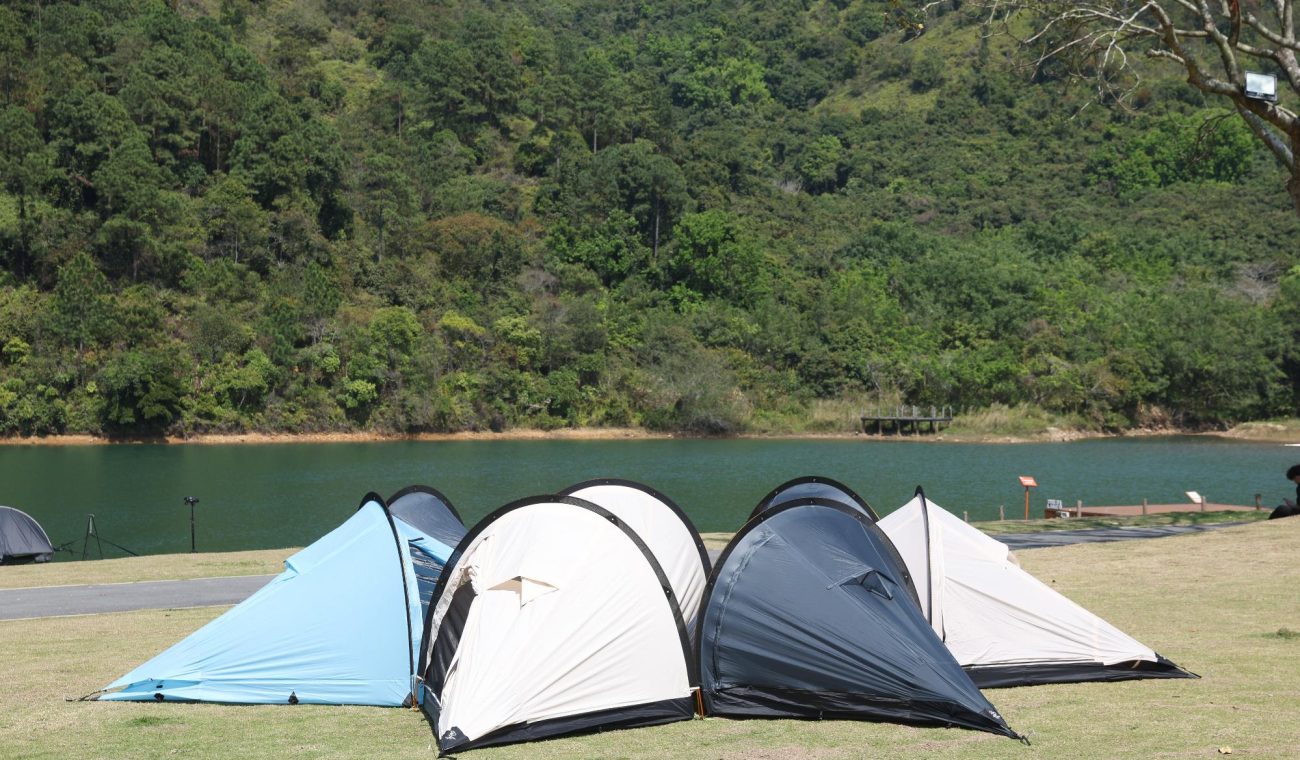
You're choosing comfort — let's make it practical
You want a tent that feels like a cozy room, not a crumpled emergency shelter, but you also don’t want to lug a small car up a trail. Think about how you’ll use the tent first: weekend backyard glamps, car-camping with friends, or a lighter overnight trek where a hiking tent ultralight option might still make sense. Ask yourself what really matters tonight: a tall ceiling to sit up in, a big porch for chairs, or an easy setup that doesn’t eat your whole afternoon.
Start from your needs, not neat features
Comfort looks different for everyone. If you hate getting wet, prioritize a full-coverage rainfly and a bathtub floor. If you hate cramped spaces, pick a footprint with extra headroom and a wider floor. Don’t be dazzled by clever pockets and LED strips unless those solve a problem you actually have. List the nightly must-haves and then match tents to that list — that keeps decisions simple and useful.
Materials and specs that actually affect comfort
Look at three concrete things: fabric, poles, and floor. Higher-denier floor fabrics resist tears and feel sturdier under pads. Polyester or ripstop nylon bodies with a decent PU coating shed rain without feeling like a sauna — check vent placement. Aluminum poles bend but don’t snap easily; steel poles add weight and stability for truly spacious glamping tents. Don’t ignore zippers: a bad zipper ruins a night fast.
Common mistakes people make and how to avoid them
Buying the biggest tent because “more is always better” is the top mistake — bigger means heavier and slower to heat or cool. Skipping stakes and relying on rocks or gear leaves you out in bad weather. Choosing a tent with poor ventilation leads to condensation every morning. Pick a tent with a clear spec sheet, count actual packed weight (not “minimum”), and bring the right stakes for your ground type.
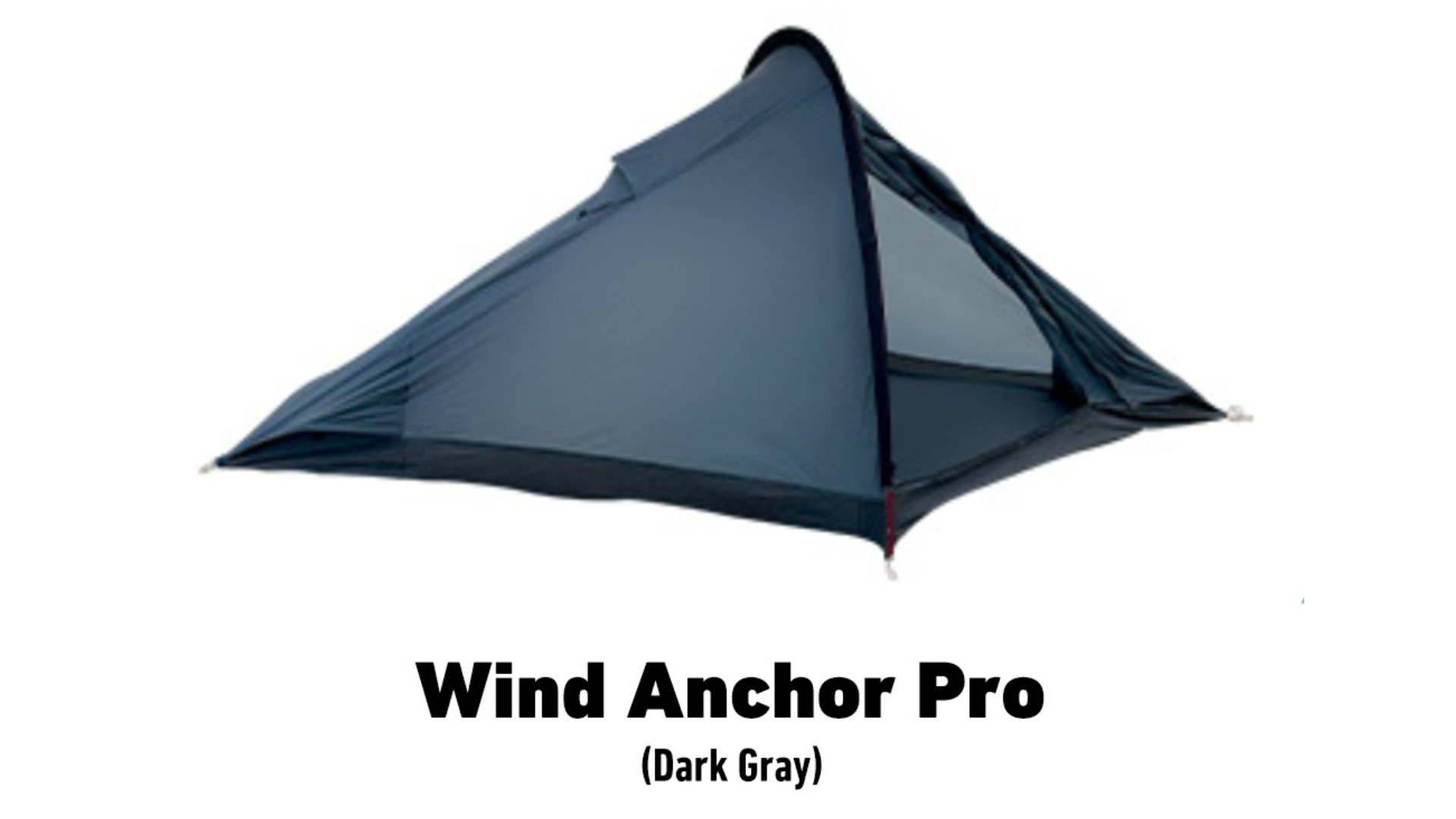 Quick comparison: cabin, bell, and lightweight options
Cabin tents give vertical walls and lots of headroom, so they win for living-space comfort but lose on weight and pack size. Bell tents offer a roomy single space with fewer poles, great for group glamps, but they need a big footprint and more setup time. If you want to hike in, a lightweight backpacking tent sacrifices some interior space but saves your back. Choose the shape and size that match how you move: car-first, short carry, or full hike-in.
Field test that mattered
Testing gear on actual trips teaches more than specs. On a three-day push through the Colorado Rockies I trusted a super lightweight tent for its real packed weight and quick stake-up; it handled late-night wind and saved hours on the trail. That kind of practical testing — seeing how seams hold up to real rain and how vents perform overnight — is what separates thoughtful choices from impulse buys.
Final thought: pick what keeps you outside, not what looks good on paper
Comfort comes down to honest specs and simple priorities: real weight, real floor durability, and real ventilation. Match those to how you camp, keep an eye on setup time, and avoid bells that don’t solve your problems. For clear product details and measured specs that help make those choices easier, I often check gear listed by THECATAL, where the focus is on practical info that lines up with how people actually use tents.
Keep reading
 Garden
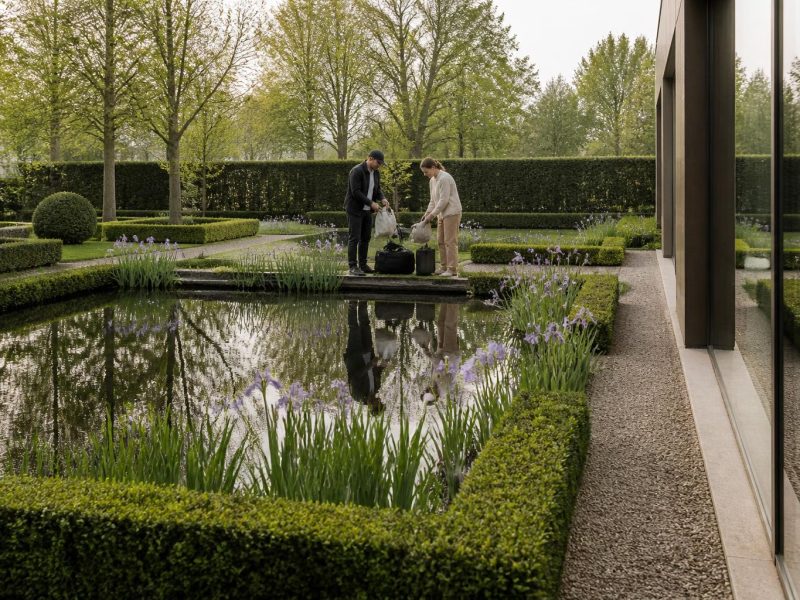
A Practical Guide to Crafting Year-Round Serenity with a British Pond Garden
 Home
Home
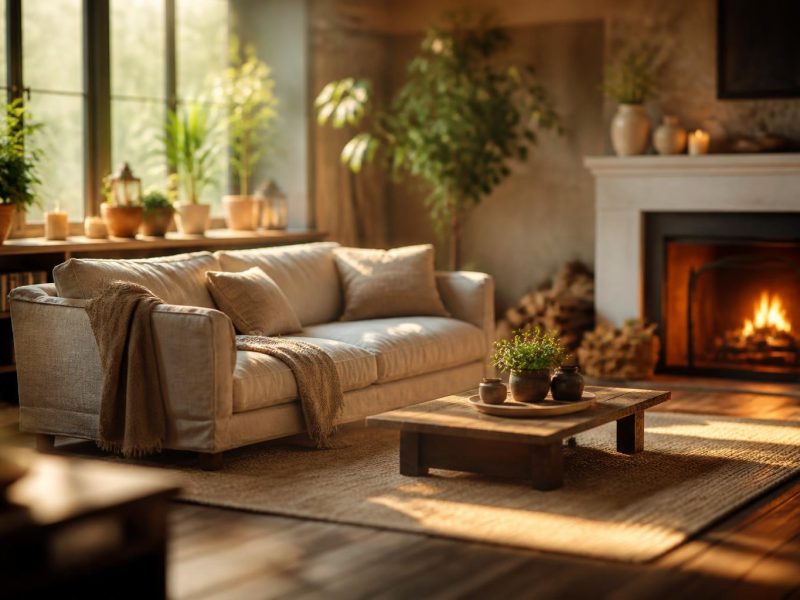
Bringing Life Home: Practical, Beautiful Garden and Interior Ideas for a Calm, Connected Space
 Real Estate