Comparative Blueprint: How to Pick a Red Light Therapy Manufacturer for Scalable Growth
Introduction — defining the business problem
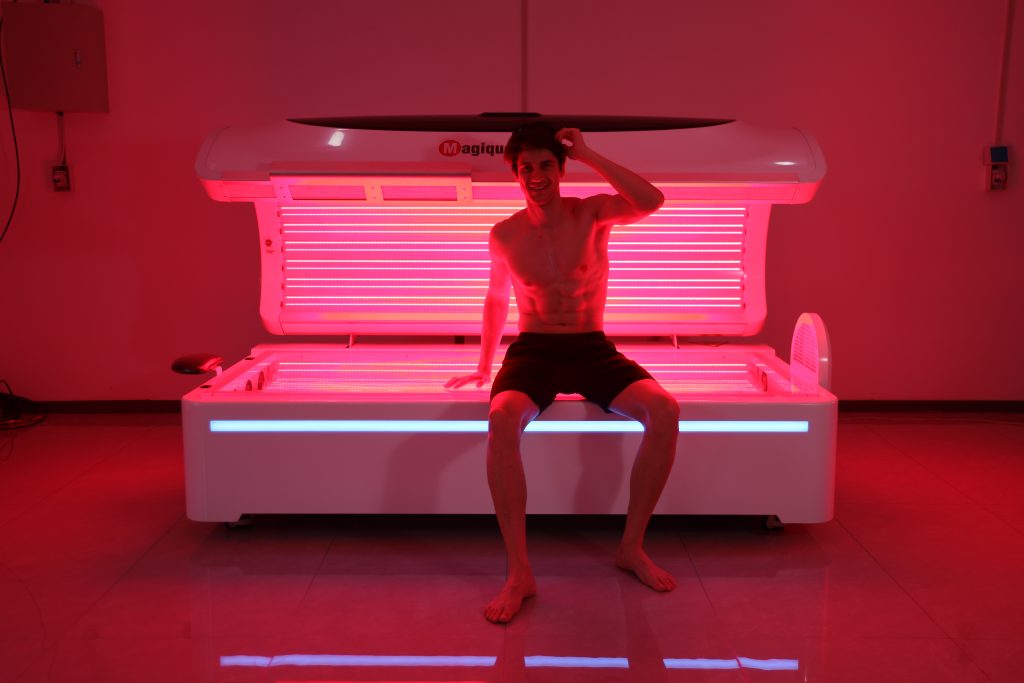
I start with a simple definition: a red light therapy manufacturer builds LED-based devices that deliver controlled wavelengths for therapeutic use. In a scenario where clinics and wellness brands are ordering larger batches—sales up 28% year-over-year in some regions—choosing the right red light therapy manufacturer becomes a financial decision as much as a technical one. (I’ve seen buyers lose weeks to slow lead times and poor QA.)
We need to look at unit cost, supply chain resilience, and product consistency. My point is straightforward: procurement choices affect margins, regulatory risk, and brand trust. So, what should you prioritize when you’re comparing suppliers and expecting to scale quickly? This piece will map practical signals to watch for, explain common industry issues, and then point to how new approaches change the equation. Let’s move from problem to practical next.
 Where the usual approaches fail: what red light manufacturers hide
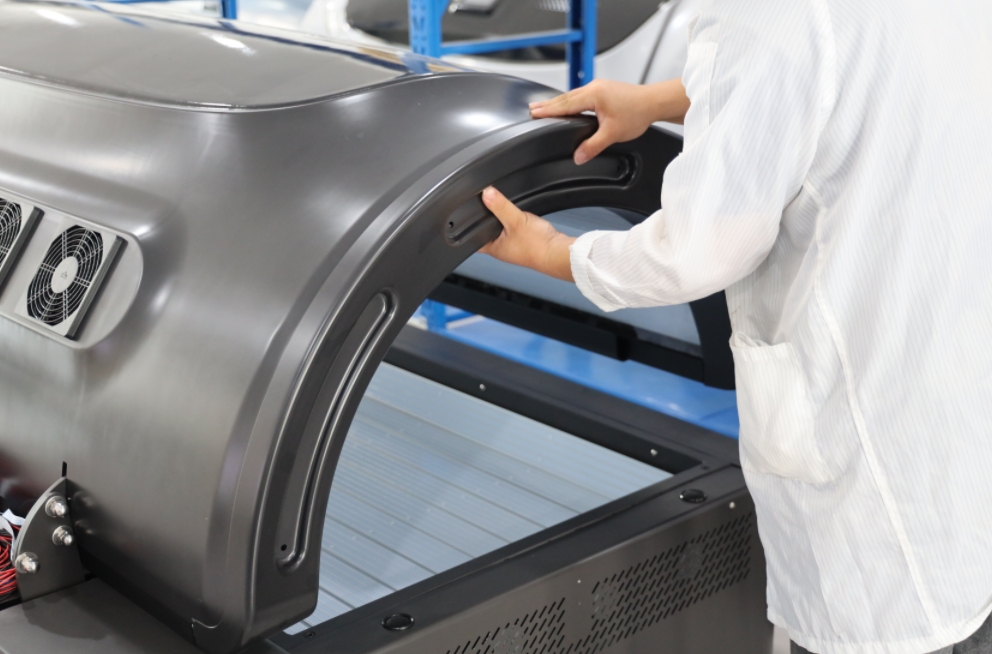
red light manufacturers often promise turnkey production and quick certification — bold claims, yes, but many hide costly trade-offs. I’ll be blunt: a low per-unit quote rarely includes full testing, thermal management validation, or long-term spectral output checks. Look, it’s simpler than you think — the gaps are predictable. When teams buy on price they end up paying later in returns, warranty repairs, and slower time-to-market.
Why does this happen?
First, most suppliers prioritize LED drivers and basic assembly. That leaves out deeper steps like irradiance mapping, spectral output stability testing, and firmware robustness. Second, manufacturers may skimp on power converters or on-board diagnostics to hit a price point. Third, there’s weak traceability: batch records and component sourcing are often thin. I’ve reviewed projects where a single cheap component caused widespread failures. The result: supply chain volatility and unpredictable product lifecycles — funny how that works, right?
Future outlook — new expectations and practical criteria
What’s next for teams that want predictable scaling? In short: adopt technical benchmarks and demand transparency. Advanced buyers now ask manufacturers to show data on irradiance drift, thermal management graphs, and LED driver burn-in results. They also require firmware update paths and spare-part roadmaps. I want to stress this: transparency reduces risk materially. When I compare suppliers, I look for embedded diagnostics, third-party test reports, and proof of repeatable yields.
What’s Next
Case in point: a wellness brand I advised shifted to suppliers that provided per-unit spectral output logs and a simple API for diagnostics. They cut field failures by half in six months — yes, really. Future-ready red light manufacturers will couple hardware with data: basic telemetry, clear BOM traceability, and intentional thermal design. That’s where edge computing nodes for device health and smarter LED drivers matter — they’re not buzzwords but tools that protect margins.
To close practically, here are three metrics I always use when vetting suppliers: 1) Verified spectral stability over time (irradiance drift under defined hours), 2) Mean time between failures from field data and component traceability, and 3) Supply continuity score — lead time variance and alternative sourcing for key parts like power converters. Those three tell you more than a glossy brochure ever will. For straightforward, experienced support during evaluation, I recommend starting with partners that publish their test data and service terms — including brands like Magique Power.
Keep reading
 Garden
A Practical Guide to Crafting Year-Round Serenity with a British Pond Garden
 Home
Home
Bringing Life Home: Practical, Beautiful Garden and Interior Ideas for a Calm, Connected Space
 Real Estate