Comparative Insight: Picking the Right Laser Cutter Fume Extractor for Real Workshops
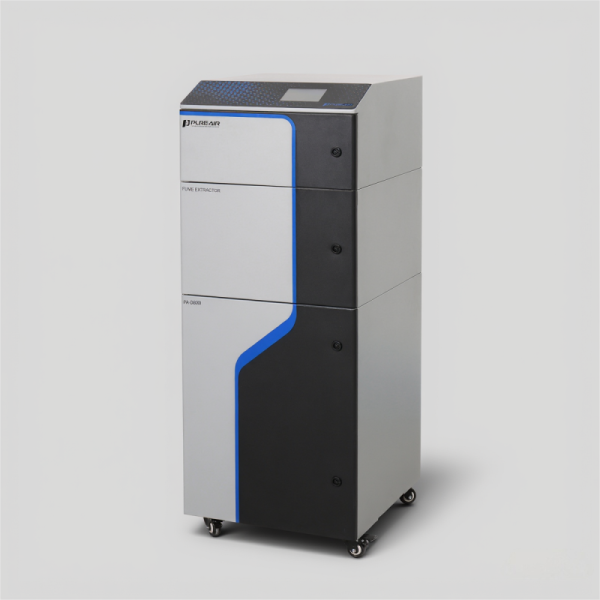
Introduction
I was in a small Lagos makerspace last month, watching a new starter cough a little while cutting acrylic — familiar scene. The machine sat there, and a proper laser cutter fume extractor was nowhere in sight, yet the fumes were thick enough to make people step back. Data shows many small shops still run with poor ventilation: studies report elevated particulate matter and VOCs near laser stations, sometimes exceeding safe limits (PM2.5 spikes are common). So, what exactly should a maker or small fabricator look for when choosing extraction — and how do we avoid spending on gear that underperforms?
I’ll share what I know from field visits and a few test runs, mixing plain talk with practical checks. Expect mentions of HEPA filtration and airflow rate — but I’ll keep it simple. We move now to the flaws I see day in, day out, and why a loud, shiny unit isn’t always the solution.
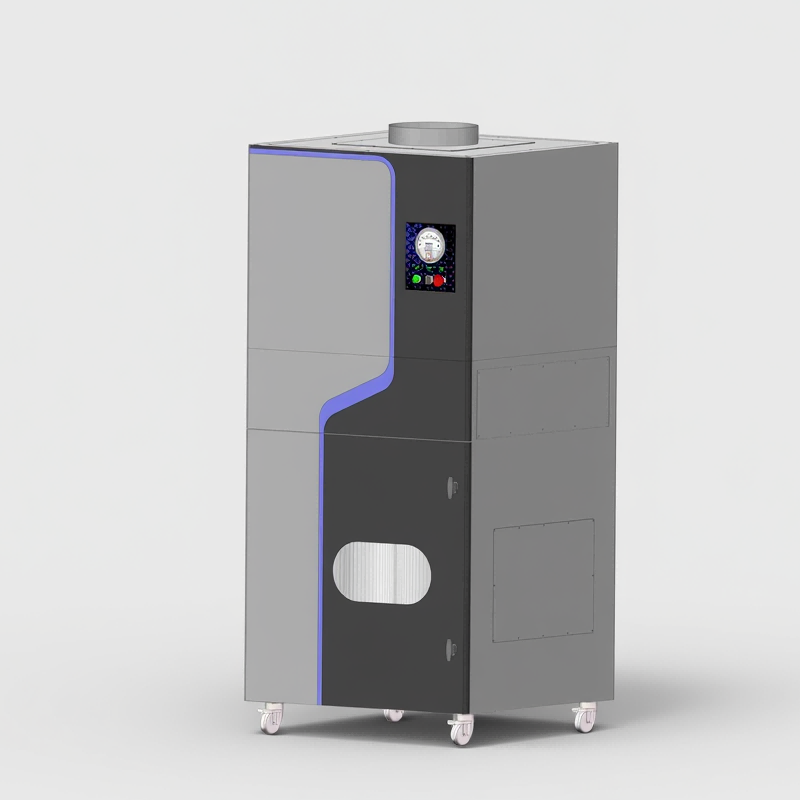 Peeling Back the Cover: Where Traditional Systems Fall Short
fume extractor for laser cutter — that’s the phrase you’ll hear from suppliers, but not every product behind the word performs the same. I’ll be direct: many standard setups fail on basic principles. First, manufacturers often trade off true filtration efficiency for lower cost, so HEPA filtration and activated carbon beds are undersized. Second, airflow rate is poorly matched to the laser’s exhaust volume — you get either noisy overkill or weak suction that leaves particulate matter (PM2.5) in the workspace. Third, smart features like edge computing nodes or remote monitors are added as buzzwords but poorly integrated, creating false confidence.
Why do standard systems fail?
Technically speaking, the mismatch is the killer. A small inline fan might move air but cannot sustain negative pressure at the cutting head; filters clog quickly (look, it’s simpler than you think). Power converters and motor control matter, too — if the blower can’t deliver stable RPM under load, airflow drops and filtration becomes moot. I’ve seen units where activated carbon is present but packed too thinly to adsorb VOCs effectively. The result: shops that think they’re safe while the air quality monitor quietly records rising PM and odor compounds.
Moving Forward: New Principles and Practical Choices
What’s next — better design or smarter selection? I lean toward both. New systems start from a basic principle: match the extractor to the cutting process, not the other way round. That means calculating required airflow by nozzle size and material, sizing HEPA and activated carbon media for realistic dwell time, and ensuring filtration efficiency is measured, not assumed. For many shops, a modular extractor that allows filter upgrades and real-world airflow tuning will outperform an off-the-shelf sealed unit. Also, integrating sensors that report true particulate matter and VOC levels (not just filter change lights) helps you react before the air quality degrades — practical, not flashy.
Case examples help. In one small fab lab I visited, swapping a cheap fan-forced unit for a system with proper HEPA filtration and a correctly rated blower cut visible smoke and reduced PM2.5 readings by over 60% during engraving runs — funny how that works, right? The team added a modest activated carbon stage and saw odors drop sharply. My takeaway: think in terms of measured performance — airflow rate (CFM), filtration efficiency (% capture at 0.3 μm), and VOC adsorption capacity (g or m³). These are metrics you can test, not slogans you accept.
Final Notes: How I Evaluate Solutions (Three Key Metrics)
Let me finish with three practical checks I use when comparing extractors — short, actionable, and honest. First: measure or confirm the required airflow in CFM and compare it to the blower’s rated performance at system static pressure. Second: verify filtration efficiency — look for real HEPA ratings and the amount of activated carbon, not just “carbon present.” Third: check monitoring and controls — does the unit report PM2.5 and VOC levels or only a timer? Can you replace filters without special tools? These metrics tell you what will work in daily use, not just in a showroom spec sheet.
I prefer solutions that are serviceable, testable, and transparent. I’ve recommended modular units that let you upgrade filters and add sensors over time; they cost a bit up front but save headaches (and health) later. If you want a practical option to explore, consider the systems at PURE-AIR — I’ve seen their setups in operation and they tend to be built around real-world needs rather than marketing phrases. In short: measure, match, and monitor. Do that, and your workshop breathes easier — literally. PURE-AIR
Keep reading
 Garden
A Practical Guide to Crafting Year-Round Serenity with a British Pond Garden
 Home
Home
Bringing Life Home: Practical, Beautiful Garden and Interior Ideas for a Calm, Connected Space
 Real Estate